Upgrade Your Space: The Ultimate Guide to Stunning Bathroom Renovations
Remodeling a bathroom can be a complex task. It requires merging aesthetics with functionality. Each decision impacts the final result. From cutting-edge materials to advanced technology, the choices are numerous. Homeowners frequently neglect the opportunity for optimizing space and efficiency. Comprehending these aspects is vital. As the journey develops, one must contemplate how to create a retreat that aligns with personal style and environmental consciousness. What decisions will achieve the perfect balance?
Discovering Your Bath Space's Promise
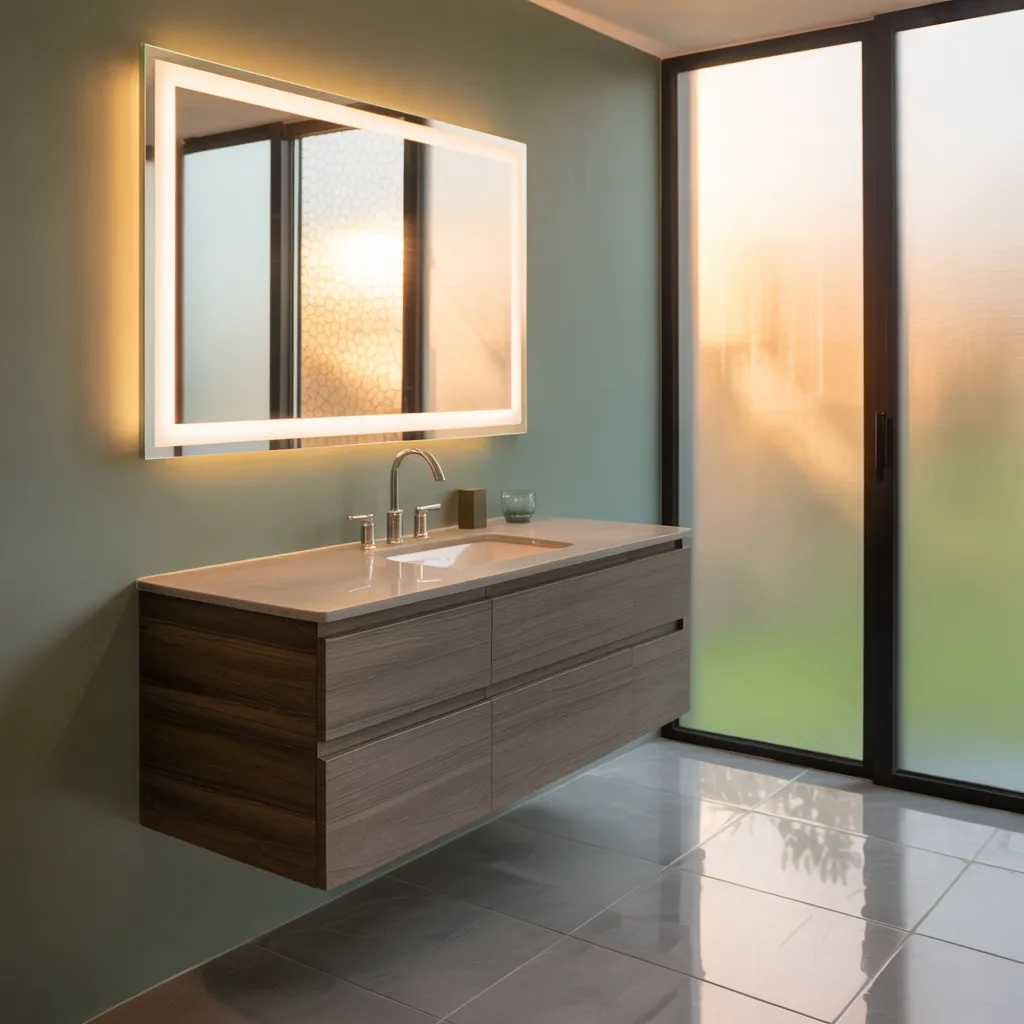
How does one fully understand the potential of a bathroom space? Recognizing the existing layout and features is vital. A bathroom typically serves numerous functions, from a rapid morning routine to a relaxing evening retreat. Assessing the existing plumbing, lighting, and storage options allows homeowners to identify areas for improvement. Appreciating the size and shape of the space can spark creative solutions, such as maximizing vertical storage or incorporating multifunctional furniture. Furthermore, analyzing the natural light and ventilation can enhance the overall ambiance. By envisioning how the bathroom might evolve, homeowners can discover its hidden potential, making it not only a practical space but also a personal sanctuary. This foundational understanding establishes the basis for thoughtful renovations.
Choosing the Right Look and Theme
What components establish the ideal bathroom style and theme for a homeowner? Homeowners must consider color palettes, fixtures, and materials that complement their personal aesthetic. A modern bathroom frequently includes sleek lines, neutral tones, and minimalist accessories, while a traditional theme might display ornate details, rich woods, and classic tiles. Coastal styles utilize airy colors and natural textures, generating a serene ambiance, whereas eclectic designs often merge various elements for a unique touch. Functionality also plays an important role; styles should address practical needs and elevate the space's overall flow. Ultimately, the chosen theme should showcase the homeowner's personality and create a cohesive look, ensuring that the bathroom serves as both a functional space and a personal retreat.
Critical Restoration Elements
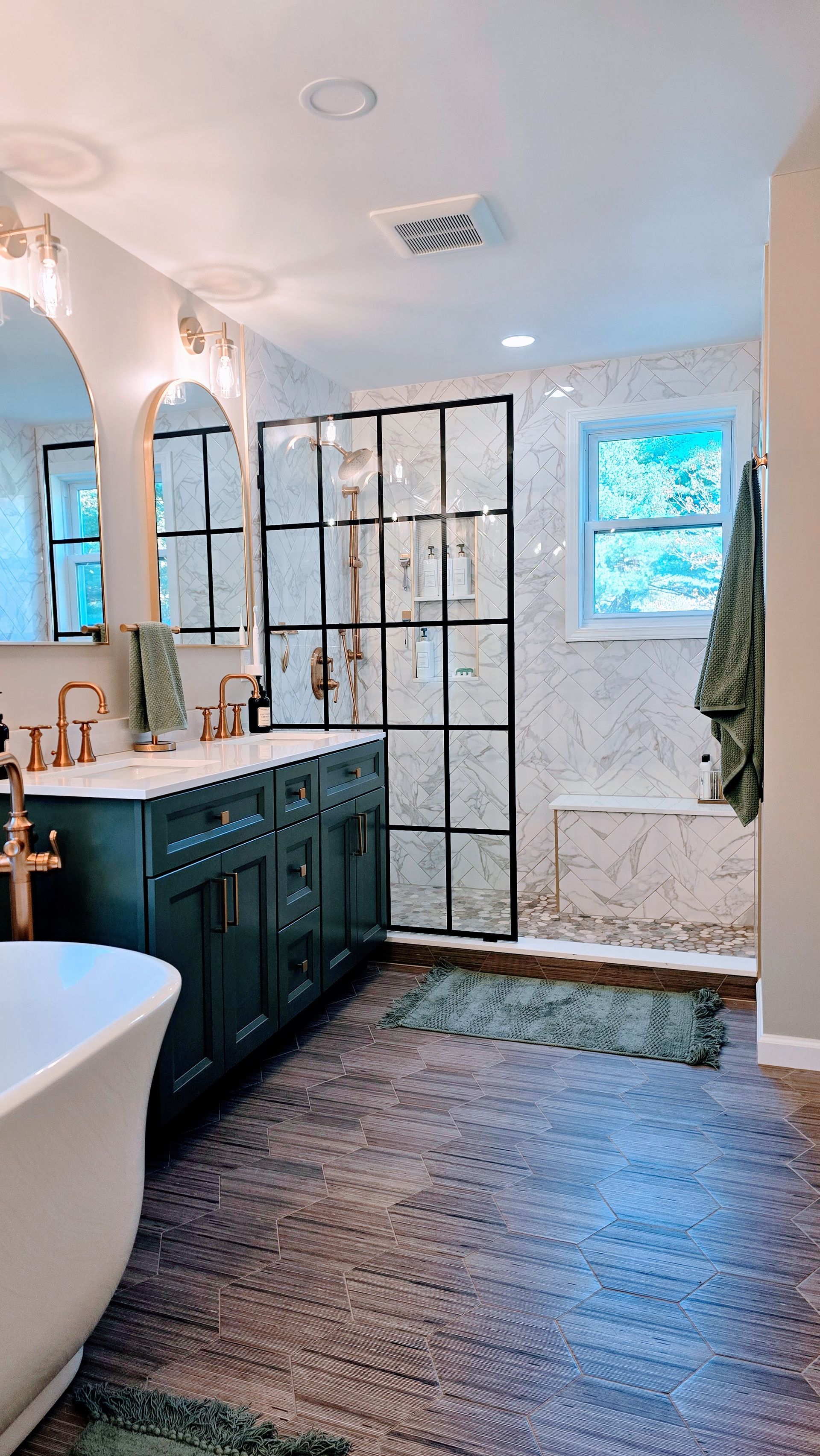
Numerous factors should be evaluated when undertaking a bathroom renovation, and thorough consideration of each is vital for a successful outcome. First, setting a budget is vital to prevent overspending and to direct design choices. Next, assessing the existing plumbing and electrical systems can prevent costly modifications later. Space planning is another essential consideration, making certain that the layout enhances functionality and flow. Choosing appropriate lighting is critical, as it can substantially impact the ambiance and usability of the space. Moreover, ventilation must not be ignored, as it helps eliminate moisture buildup and mold. Finally, considering accessibility features can improve usability for all family members, making the bathroom a more accommodating environment.
Cutting-Edge Components and Installations
Utilizing innovative materials and fixtures can substantially enhance both the aesthetic and functional aspects of a bathroom renovation. High-performance options such as quartz and recycled glass countertops offer lasting quality while contributing to a sleek appearance. Water-saving fixtures, including low-flow toilets and touchless faucets, not only promote sustainability but also introduce modern convenience. Furthermore, the use of large-format tiles can create an illusion of space, minimizing grout lines for a clean look. Innovative lighting solutions, such as LED mirrors and backlit sconces, add ambiance while improving visibility. Furthermore, smart technology, such as programmable thermostats and voice-activated controls, enhances user experience. These advancements confirm that a bathroom renovation remains not only stylish but also practical for contemporary living.
Enhancing Space and Function
Optimizing space and functionality in a bathroom is vital for creating an efficient environment. Utilizing smart storage solutions, open layout designs, and multi-functional fixtures can substantially enhance usability. These elements work together to transform even the smallest bathrooms into practical and stylish spaces.
Smart Storage Options
Although numerous property owners encounter the issue of restricted bathroom space, clever storage systems can turn even the most compact areas into efficient retreats. Exploiting upward space is vital; wall-attached storage units or cabinets can accommodate toiletries and towels while preserving floor space. Moreover, versatile furnishings, like vanities featuring built-in storage, optimize functionality. Corner cabinets make excellent use of typically wasted space, whereas bins and baskets can systematically organize supplies under sinks. Adding examine now hooks and mounting bars for towels and items further increases accessibility. With a deliberate method for storage, property owners can establish an orderly space that both appears elegant and satisfies their everyday requirements effectively. Focusing on systematic arrangement is crucial to a triumphant bathroom upgrade.
Open Floor Plan Designs
Clever storage systems can create the basis for a more airy and inviting atmosphere in the bathroom. An open layout design underscores spaciousness, enabling a seamless flow between different areas. By eliminating barriers such as large cabinets and traditional vanities, homeowners can develop a visually expansive environment. Incorporating wall-mounted shelves and built-in niches can maintain aesthetic appeal while increasing functionality. Incorporating large mirrors can also elevate the perception of space, reflecting light and creating a more radiant ambiance. Furthermore, opting for a walk-in shower rather than a bathtub can further open up the layout, making the area feel more spacious. All in all, open layout designs emphasize both practicality and style, transforming bathrooms into calming retreats.
Multi-Functional Fixtures
In contemporary bathroom remodeling, multi-functional fixtures emerge as essential elements that improve both functionality and spatial efficiency. These creative solutions provide diverse capabilities, enabling homeowners to optimize utility while reducing disorganization. For example, vanities with built-in storage can house toiletries and linens, minimizing the need for supplementary cabinets. Shower-tub combinations provide adaptability, accommodating diverse preferences in bathing options. Wall-installed fixtures preserve counter space and streamline cleaning, while heated towel racks offer warmth and accessibility without taking up floor space. Additionally, smart mirrors fitted with LED lighting and Bluetooth speakers combine aesthetics with technology, improving the overall experience. Highlighting efficiency, these fixtures not only improve the design of a bathroom but also meet the practical needs of contemporary lifestyles.
Implementing Smart Technology and Sustainability
Incorporating smart technology into bathroom renovations can boost both convenience and efficiency. Smart fixtures, such as touchless faucets and programmable showers, offer benefits like water conservation and energy savings. Additionally, choosing eco-friendly materials supports sustainability, creating a bathroom that is both up-to-date and environmentally responsible.
The Benefits of Smart Fixtures
As house owners continually aim to boost both utility and environmental responsibility in their bathrooms, the integration of smart fixtures has emerged as a compelling solution. These innovative fixtures, including touchless faucets and smart showers, deliver various benefits that suit contemporary lifestyles. They encourage water conservation by automatically controlling water pressure and temperature settings, significantly decreasing waste. Furthermore, intelligent illumination systems can be configured to optimize energy use, further contributing to a sustainable environment. Several advanced fixtures also supply users with information about water usage, helping to identify leaks or inefficiencies. In summary, the implementation of intelligent technology in bathroom remodeling not only improves the homeowner experience but also matches green practices, making it an desirable selection for thoughtful house owners.
Environmentally Friendly Material Options
Environmentally conscious materials have evolved into a cornerstone of today's bathroom renovations, specifically when paired with smart technology. Homeowners increasingly opt for sustainable options like bamboo flooring, recycled glass tiles, and low-VOC paints. These materials not only minimize environmental impact but also improve indoor air quality. Integrating smart technology, such as water-efficient fixtures and energy-saving lighting, further strengthens sustainability efforts. For example, smart showerheads can monitor water usage, while programmable thermostats improve energy consumption. Such innovations allow for a luxurious experience without sacrificing environmental responsibility. Ultimately, combining eco-friendly materials with smart technology creates a harmonious balance between style and eco-consciousness, appealing to environmentally conscious consumers seeking to transform their bathrooms into elegant yet sustainable spaces.
Popular Questions
What's the Average Timeline for a Bathroom Renovation?
A typical bathroom renovation takes approximately four to six weeks to complete. This timeframe may vary depending on the project's complexity, the availability of materials, and the contractor's schedule, as well as other variables.
What Is the Typical Cost of Renovating a Bathroom?
The average cost of a bathroom renovation typically ranges from $5,000 to $15,000, according to factors such as labor, materials, and square footage. Upscale renovations often exceed $30,000, particularly featuring luxury fixtures and custom designs.
Do I Need a Permit for My Renovation?
Regardless of whether a permit is needed for renovations varies based on local regulations and the scope of work. In most cases, structural changes, plumbing, or electrical work frequently require permits, while minor cosmetic updates typically not. Reviewing local codes is advisable.
How Do I Find a Trustworthy Contractor?
To find a reputable contractor, you should gather recommendations from family and friends, read online reviews, verify credentials, and conduct interviews. Reviewing multiple estimates and examining references can also guarantee a credible choice for your renovation project.
What Should I Do When I Experience Plumbing Difficulties?
Upon encountering plumbing difficulties, one should without delay disable the water supply, examine the concern, and consider contacting a licensed plumber. Keeping a record of the concern can help with understanding the circumstances and facilitating repairs.